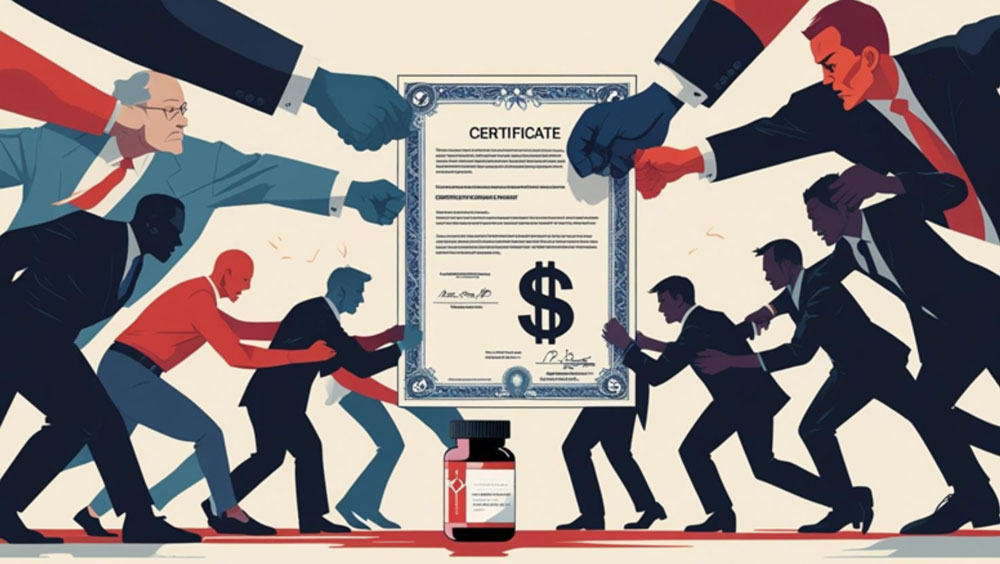
A growing policy dispute is unfolding around the prostate cancer medication Xtandi, as advocacy group Knowledge Ecology International (KEI) urges federal agencies to step in and permit generic alternatives ahead of patent expiration. KEI points to the drug’s development ties to taxpayer-funded research, arguing that the public deserves broader and more affordable access.
But the push is facing strong resistance. Industry-aligned organizations warn that overriding patents – especially under laws like the Bayh-Dole Act – could destabilize the system that helps bring federally funded innovations to market. In a letter to the Department of Health and Human Services, the Bayh-Dole Coalition stressed that using such authority in this case would extend beyond its intended limits, potentially chilling private investment and jeopardizing collaboration between government, academia, and the private sector.
Others, like Conservatives for Property Rights, have also expressed concern that weakening patent protections could set a precedent that disincentivizes companies from advancing early-stage research into usable products. They emphasize that Xtandi’s patents are already nearing their end, with generic competition expected by 2027.
The Bigger Picture
This controversy reflects a deeper debate: Should the government have more authority to reclaim or redirect control over patents derived from public funding? And what’s the right balance between encouraging innovation and ensuring public access?
For research institutions, investors, and healthcare advocates alike, the outcome could reshape expectations around intellectual property, especially when public dollars are involved. As federal agencies weigh their options, stakeholders across the innovation ecosystem are paying close attention.
To better understand how patent systems continue to evolve, read USPTO Launches Automated AI-Assisted Prior Art Search for Newly Filed Applications.
If your innovation involves product design, a design patent application may be the right form of protection.
Are you ready to take the next step to protect your invention?
Contact us today for a free consultation and start the journey to secure your intellectual property. GET STARTED NOW Share the Post:Related Posts
The Truth About Invention Promotion Companies: Risks Every Inventor Should Understand
Thinking of working with an invention promotion company? Learn the major financial and legal risks inventors face, the red flags to watch for, and how to protect yourself before signing any agreement.
Read More
Do I Need a Prototype to Get a Patent?
Do you need a prototype to file a patent? This guide explains the real requirements for patent protection and what inventors should know before applying.
Read More